Blog · Guide
From mutton to mince: the fascinating history of the mince pie
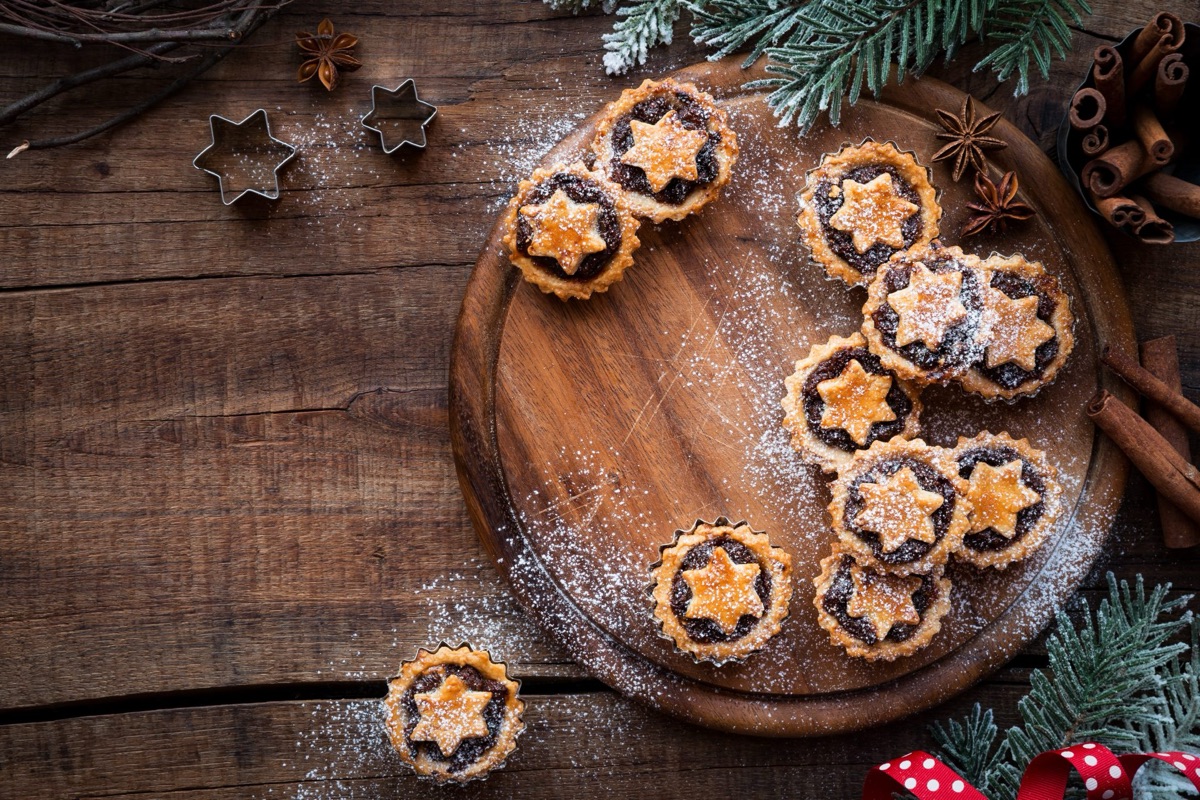
Mince pies are a cherished part of British Christmas traditions, with a history that spans several centuries. Their evolution from savoury meat-filled pastries to the sweet treats we enjoy today reflects changes in cooking, trade and culture.
Origins and early history
The roots of mince pies go back to the 13th century, when European crusaders returned from the Middle East, bringing with them recipes that combined meats, fruits and spices. These early pies, known as “chewets”, were filled with finely minced meat (commonly mutton or beef) mixed with suet, dried fruits like raisins and prunes, and spices such as cinnamon, cloves and nutmeg. Mixing sweet and savoury ingredients was typical of medieval cooking.
By the 16th century, these pies had become associated with Christmas. They were often shaped as a rectangle to represent the manger of the Nativity, and some even had a pastry Christ Child on top. The spices were symbolic, representing the gifts of the Magi.
The move to sweetness
Over time, the meat in mince pies began to shrink. By the 18th century, recipes started to treat meat as optional, with more emphasis on the sweet ingredients. Sugar and dried fruits became easier to get, which made sweeter versions more popular. By the Victorian era, mince pies had largely become the sweet pastries familiar today, with the meat replaced entirely by a mixture of dried fruits, suet, spices, and spirits like brandy.
Modern mince pies
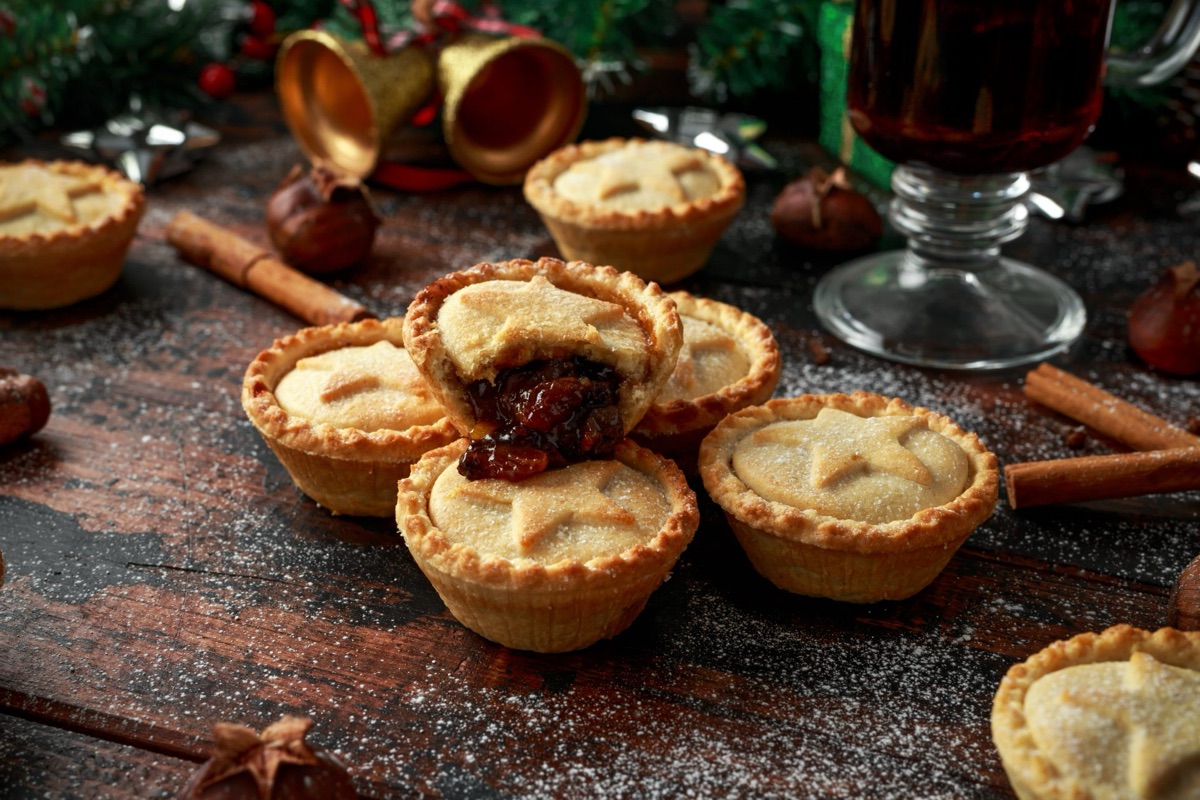
Today, mince pies are a staple of a British Christmas. The filling, known as mincemeat, is usually a mixture of dried fruits such as raisins, currants and sultanas, combined with suet, sugar, spices, and often a splash of brandy or rum. The pies are encased in shortcrust pastry and are usually served warm, sometimes with cream or brandy butter.
While the meat has long gone, the name “mince pie” lives on, a nod to its history. They’re enjoyed throughout the Christmas season, with centuries of tradition in every bite.
If you’d like to try a traditional recipe, English Heritage has a historical version that includes meat, which gives a taste of the pie’s savoury past.
The journey of the mince pie from medieval meat pie to sweet Christmas treat mirrors wider changes in British tastes, and the influence of global trade on local traditions. As you savour a mince pie this Christmas, you’re taking part in a tradition centuries in the making.